
Divvy
Lyft, Inc.Maps & Navigation
4.6390.00 Reviews
- Version
- 2026.32.3.1787124437
- Installs
- 100.00K
- Age Rating
- Everyone
Screenshots

Our Review of Divvy
 Analysis by Appyee
I found Divvy most useful when I stopped treating it like a novelty and started treating it as a practical part of getting around Chicago. This is a free Maps & Navigation app from Lyft, Inc., built for the city’s Divvy bike share system. In my experience, its value appears quickly: it can turn a short trip, a difficult connection, or an inconvenient walk into a simple bike-share journey. The bigger question is whether it remains useful after the first few rides. For me, the answer depends less on how often I want to cycle and more on whether my regular routes fit the system.
The app has a 4.6 average from around 2K ratings, with more than 100K installs, so it has clearly attracted a meaningful group of riders without feeling like a general-purpose navigation app. It is rated for Everyone, costs nothing to install, and requires Android 9 or later. Those details make it easy to try, but they do not tell you whether it deserves a permanent place on your phone. That comes down to how well it handles the small decisions that happen before, during, and after a Divvy trip.
What the first week feels like
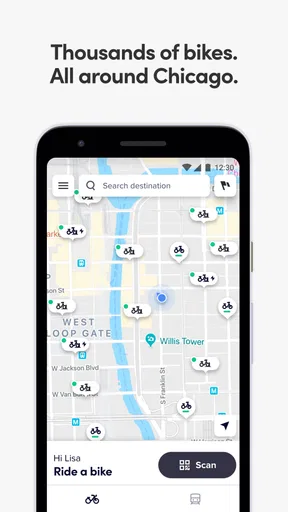
My first impression was that Divvy makes the bike-share idea much less abstract. Instead of wondering where a bicycle might be, I can use the app to orient myself around the system and think in terms of stations and short connections. That shift matters when I am already outside and need to decide whether cycling is realistic. A normal map can show streets and directions, but a dedicated Divvy app is more focused on the question I actually have: where can I begin a bike-share ride, and where can I finish it?
The first week is when the app feels most rewarding because every trip teaches me something about my own routine. I begin noticing which station areas are convenient from home, which destinations are easier to reach by bike than by walking, and where a station-based ride fits between other forms of transportation. I also learn that the best starting point is not always the station closest to me. A slightly longer walk to a better-positioned station can produce a much cleaner ride and a more convenient arrival.
That is one of the first non-obvious lessons: I would not plan only from my front door to my destination. I would plan the whole chain. I consider the walk to a station, the ride itself, and the final walk after returning the bike. This makes Divvy more useful than simply opening it at the last second. It becomes a small planning tool for the gaps that public transit and ordinary walking do not handle well.
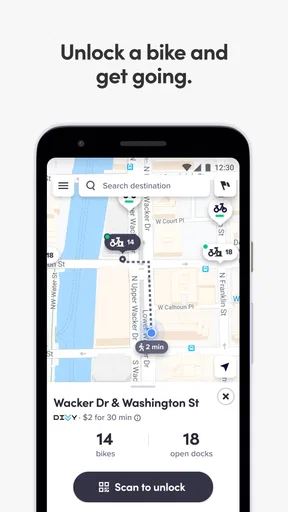
A realistic example is an afternoon appointment that is too far away for a comfortable walk but awkward to reach directly by transit. I can check the nearby Divvy options, ride for the central portion, and leave the bicycle close to the destination instead of dealing with a long transfer. On the way back, I may use a different station because my return route has different constraints. The app is especially helpful when I think of the ride as one piece of a larger journey rather than as a complete door-to-door navigation solution.
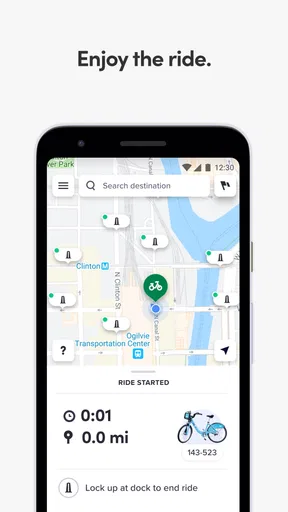
During this early period, I also pay attention to how much I need to rely on the app while moving. I prefer to make the main decision before setting off, then keep my phone away as much as possible. That is safer and less distracting than repeatedly checking a screen at intersections. Divvy works best when it helps me prepare, not when I expect it to replace awareness of traffic, signs, and the street around me.
Where it beats a regular map
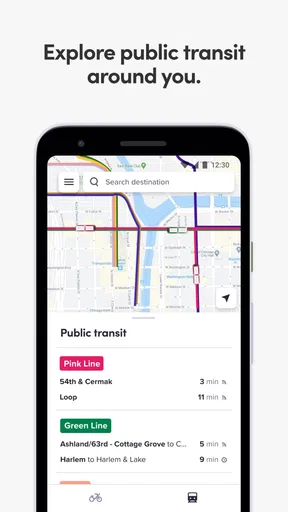
Google Maps, Apple Maps, and similar services are better when I need broad directions across several transportation types. They are designed to compare walking, driving, cycling, and public transit in one place. Divvy has a narrower job, and that narrowness is its strength. It keeps my attention on bike-share availability and station-based decisions instead of burying the relevant information inside a much larger map experience.
I would choose a general map first when the trip requires detailed turn-by-turn guidance, a complicated transit transfer, or a route that does not depend on Divvy. I would choose Divvy when the key uncertainty is the bike-share system itself. That distinction prevents disappointment. This app is not a replacement for every navigation tool in Chicago; it is a focused companion for a particular type of trip.
Another useful habit is to check the destination before leaving, not just the starting station. A ride is only successful if I can finish it in a sensible place. When I am heading toward a busy area, I think about the final approach and whether I want to end near my actual destination or near a convenient walking route. This avoids the common mistake of choosing the nearest station at the beginning and postponing the harder decision until I am already tired or in a hurry.
The small decisions that make early rides easier
I also recommend building a backup plan into the first few journeys. If my trip matters, I do not assume that the most convenient-looking option will remain convenient at the exact moment I arrive. I keep a normal walking or transit alternative in mind, especially for appointments and time-sensitive plans. That is not a criticism unique to Divvy; it is simply the reality of relying on a shared vehicle rather than one parked outside my home.
The app earns trust when I use it as a way to reduce uncertainty, not to promise certainty. I can prepare more intelligently, but I still leave enough time for the walk to a station, the ride, and the possibility that my preferred arrangement will not be ideal. This mindset makes the first week smoother and prevents the early excitement from turning into unrealistic expectations.
Why it can still matter after the novelty fades
After the first several rides, the main benefit changes. I am no longer discovering the system; I am deciding whether it saves enough effort to become a habit. For me, recurring value comes from repeated short trips where Divvy removes a specific annoyance. That might be a route that feels too long on foot, a connection that would otherwise require waiting, or a destination where arriving by bike is more practical than finding another way.
The strongest long-term use case is consistency. If I regularly travel between areas with useful station coverage, the app can become part of my normal departure routine. I check it when deciding how to make the trip, then use the same general pattern again later. That repeatability is more important than a single enjoyable ride. A bike-share app earns space on my phone when it solves the same kind of problem several times a month.
There is also value in keeping the app available even when I do not use it every day. Chicago plans can change quickly. A short ride may become attractive because I am carrying less than expected, because I have missed a connection, or because I want to avoid a longer walk. In those moments, having a dedicated way to think about Divvy is more useful than remembering the system only in theory.
Still, I would not call it essential for everyone. If my usual destinations are far from Divvy stations, or if I prefer public transit for nearly every trip, the app may sit unused. The same is true if I do not feel comfortable cycling in the conditions I regularly encounter. A free download has little practical value if the surrounding streets, weather, timing, or destination layout make bike share a poor fit.
The app also has a different kind of recurring value for occasional visitors and infrequent riders. I may not develop a daily habit, but I can use it when I want a flexible option for a particular day. In that role, it does not need to dominate my travel routine. It only needs to make a Divvy decision easier than guessing. That is a smaller promise, but it is realistic and useful.
How I decide whether a trip belongs on Divvy
I ask myself three practical questions. First, is the starting station close enough that walking to it does not erase the time saved by cycling? Second, is the destination near a sensible place to end the ride? Third, would a normal map or transit app handle the entire journey more simply? If the first two answers are positive and the third is no, Divvy is usually worth considering.
This approach also clarifies when another option is better. For a long cross-city journey, a transit app may provide a more complete plan. For a trip with heavy luggage, walking or a car may be more comfortable. For a route that requires exact street-by-street guidance, I would use a general navigation service alongside Divvy rather than expecting the bike-share app to do everything.
My favorite long-term workflow is to use Divvy for the system-specific decision and another map only when I need broader routing. That division of labor keeps each tool focused. I do not need to force one app to answer every question, and I avoid wasting time switching between screens while already on the road.
Maintenance, friction, and the reasons habits break
Because Divvy is a shared-bike service, maintenance is not only about updating the app. It is also about maintaining a reliable personal routine. I need to remember to check the trip before leaving, allow time for the station walk, and finish the ride thoughtfully. That is more mental effort than simply walking out the door, even when the ride itself is pleasant.
The app’s current version is 2026.32.3.1787124437, which shows that it is actively kept in a current software line. That is reassuring for basic upkeep, but an updated app cannot remove every real-world source of friction. My experience with any station-based system is shaped by the moment I arrive, the route I choose, and how much flexibility I have. The software can support the decision, but the street environment still determines whether the decision feels good.
The most important maintenance habit is checking the whole journey early enough to change plans. If I wait until I am already late, even a small inconvenience can make the ride feel like a failure. I prefer to look at the starting and ending areas before I leave, then decide whether Divvy is the primary plan or merely an option. This takes less time than improvising after I have committed to the trip.
Another source of fatigue is repetition. The first few rides feel exploratory, but later I notice every extra step: opening the app, checking the route, walking to the station, and thinking about the return. If the trip is only marginally better than walking, that sequence can become annoying. Divvy needs to offer a clear advantage, not just a different way to travel.
Weather and energy also change the calculation. A ride that sounds ideal when I am planning at home may feel less appealing after a demanding day. I do not consider that a flaw in the app, but it affects whether the service becomes a durable habit. The more my routine depends on perfect conditions, the less likely I am to use it consistently.
Where the experience can become tiring
The biggest fatigue comes from uncertainty. I may have a good plan but still feel hesitant if I am not sure that the arrangement will suit the exact moment I need it. This is why I avoid building an important appointment around a single optimistic assumption. Divvy works better for trips with a little flexibility than for situations where one small delay creates a serious problem.
There is also a psychological cost to using a shared system: I have less control than I would with my own bicycle. I cannot customize the ride to my preferences, and I cannot assume that the most convenient setup will be waiting. Riders who want complete control, a predictable personal bike, or a route far outside the bike-share network may prefer another option.
For new riders, I suggest starting with a familiar destination rather than testing the app on a stressful journey. That lets me learn the rhythm of planning, riding, and finishing without the pressure of being late. Once the process feels ordinary, I can decide whether it belongs in more demanding parts of my routine.
I also keep the app from becoming a distraction. I make route decisions before moving, use the phone only when safely stopped, and treat street awareness as more important than following a screen. This is a simple but meaningful trade-off: a navigation tool is helpful only when it improves the trip without taking attention away from the ride itself.
My long-term verdict on keeping Divvy installed
Divvy earns lasting space on my phone when I regularly make short Chicago trips that sit between walking and public transit. Its first-week appeal is easy to understand, but its lasting value is more selective. I keep returning to it when it solves a repeatable problem: reaching a station-connected destination with less effort, avoiding an awkward connection, or adding flexibility to a day that does not follow a fixed plan.
I would recommend it to Chicago residents who already know a few routes they would like to make easier, to visitors who want a focused bike-share companion, and to anyone willing to combine it with a broader map when detailed directions are needed. I would especially recommend testing it on ordinary errands rather than only recreational rides. That is where I can tell whether the app genuinely improves my routine or merely feels interesting for a weekend.
I would skip it if my destinations rarely line up with the Divvy system, if I need guaranteed door-to-door directions, or if cycling is not a comfortable choice for my normal travel conditions. In those cases, a general transit or navigation app is likely to be more useful, and keeping a dedicated bike-share app installed may add clutter without adding convenience.
My overall opinion is positive but practical. Divvy is not valuable because it tries to replace every other travel tool. It is valuable because it gives a specific Chicago transportation option its own place in my planning. The app becomes a keeper when I use it deliberately, allow room for real-world variation, and judge it by repeated usefulness rather than by the excitement of the first ride. For the right routes, that is enough to make it a dependable part of getting around.
Divvy is free, suitable for Everyone, and developed by Lyft, Inc.; its release history goes back to May 10, 2018. Those details make it approachable, but the real test is personal: after a month, do I still open it because it makes a familiar trip easier? In my case, the answer is yes when the route fits. That is a modest recommendation, but it is also the honest one. Divvy is best understood as a focused habit-building tool for Chicago bike-share trips, not as a universal replacement for navigation.
Verdict
Strengths of Divvy
- Splits bills fairly, even when people order different items.
- Supports recurring expenses for shared homes or groups.
- Clear transaction history makes past payments easy to verify.
- Useful for tracking non-restaurant costs such as rent or utilities.
- Reduces awkward payment reminders with organized settlement details.
Limitations of Divvy
- Requires every participant to enter accurate amounts and payments.
- Some features may depend on account setup or supported payment services.
- Large groups can become confusing when many expenses are active.
- Currency and regional support may be limited for international groups.
- Users may need another payment app to complete the actual transfer.
Other Releases by Lyft, Inc.
View All


Similar Picks in This Category
View All
Uber - Request a ride
Uber Technologies, Inc.4.7


inDrive. Rides with fair fares
® SUOL INNOVATIONS LTD4.8

Yandex Go: Taxi Food Delivery
Mikromobilnost LLC Belgrade4.8

Bolt: Request a Ride
Bolt Technology4.8

Rapido: Bike-Taxi, Auto & Cabs
Rapido Bike Taxi4.8
Frequently Asked Questions
What is Divvy and what can I use it for?
Divvy is a personal finance and bill-splitting app designed to help users organize shared expenses, track who paid, and calculate what each person owes. It can be useful for roommates, couples, families, and groups traveling together. Before downloading, check that its available features match your needs, especially if you require budgeting tools, bank synchronization, recurring bills, or support for multiple currencies.
How does Divvy split bills between people?
Divvy generally lets you create an expense, add the people involved, and divide the cost equally or assign specific amounts to individual participants. This is helpful when everyone does not share the same purchases or portions of a bill. Review each entry carefully before confirming, because incorrect participants, tips, taxes, or custom amounts can lead to inaccurate balances and misunderstandings within your group.
Does Divvy connect to my bank account or require sensitive information?
Depending on the version and region, Divvy may offer features that involve payment details, account information, or other personal data. You should read the app’s current privacy policy and permissions before creating an account or linking any financial service. Avoid entering information you are uncomfortable sharing, and use a strong password if the app stores expense history or payment-related details.
Can I use Divvy with friends who do not have the app?
The ability to involve people who have not installed Divvy depends on the app’s sharing and invitation features. In many cases, you may be able to record expenses for other people and send them a summary or payment request, but some functions may require every participant to create an account. Confirm the current collaboration options before relying on Divvy for an important group expense.
Is Divvy free to download, and are there any limitations?
Divvy may be free to download while offering optional paid features, subscriptions, or transaction-related charges, depending on the platform and country. Pricing, available tools, advertisements, and usage limits can change over time. Check the Google Play Store or Apple App Store listing before downloading, and review subscription terms carefully so you understand what you will be charged and how cancellation works.
